Why is Everything Subscription-Based: The Illusion of Ownership in the Digital world
Digital products are everywhere — movies, music, art, books — all available with a click on our screens. But, do we truly own those digital goods? We either buy a digital product, or opt for a subscription — renting access to an endless catalog of movies, music, and more.
We don’t have access to the movie catalog unless we pay monthly subscriptions, meaning once we stop paying, we can’t access our favorite movie or TV show. Some would argue that movies and TV shows are expendable — “Why would I watch something again?” or “For x amount of money I can endlessly watch what I desire,” or “I can stream music whenever.” While this is true, what poses the problem is the illusion of ownership — or more specifically, the tension between ownership vs. access.
People nowadays lose the physical trace of their interests, likings, and passions. Instead of shelves stacked with books enriching the space we live in, we store digital versions of them behind our screens. The significance of sharing between relatives and friends is lost — our favorite music, books, and CDs are no longer a thing.
The Rise of the Subscription Economy
Subscription-based services are not new — it’s not a modern world concept. In fact, the subscription model has existed since the 1800s. Examples include magazine subscriptions and deliveries from milkmen. Over time, it only grew in popularity and presence — especially with the emergence of streaming services and cloud computing.
Why are subscriptions appealing to customers? For a low cost each month, you’re receiving the convenience of browsing an endless catalog of movies, videos, music, etc., and being able to cancel access anytime you want without penalty. There’s much less commitment, and you avoid cluttering your space with physical objects (movie CDs, books, etc.). On the other hand, when you’re receiving expandable physical products on a weekly or monthly basis, you’re buying the convenience of not having to think about the time needed to browse items or travel to stores.
Needless to say, businesses benefit a lot more from subscriptions than from one-time payments. These benefits include:
- A consistent and reliable stream of revenue.
- Less time and lower cost when acquiring new customers.
- Customer retention costs are lower.
- Pricing models are easily adjustable.
- Customer loyalty increases.
The Disappearance of Digital Ownership
Do we truly own anything in the digital world? Before the rise of subscription-based services, the physical goods we would buy would fall under our personal ownership — books, movie and music CDs, games, and others. We would sometimes rewatch movies or share them with family and friends so they could enjoy what we loved. Years later, even if we didn’t rewatch them, the items held nostalgic value.
Today, digital ownership is often an illusion. Streaming services and Software as a Service (SaaS) models strip us of an important human experience — the physical trace of our interests and history. If your books are in your Kindle library, your favorite music on Spotify, and your favorite movies on Netflix, can your future kids and grandkids rummage through your belongings and discover who you used to be? Unlikely. Especially if you cancel your subscription.
Recently, I finished a book and noticed the spine was creased — a sign that someone had opened and read it multiple times. When a friend visits, they can browse my bookshelves and ask about what I’ve read. We can even exchange books, which strengthens our bond. That simply doesn’t happen in the digital world.
The Downside of Digital Ownership
We are renting access to most digital goods. If we do not comply with the terms and services of the company selling us that access, they can revoke it without warning.
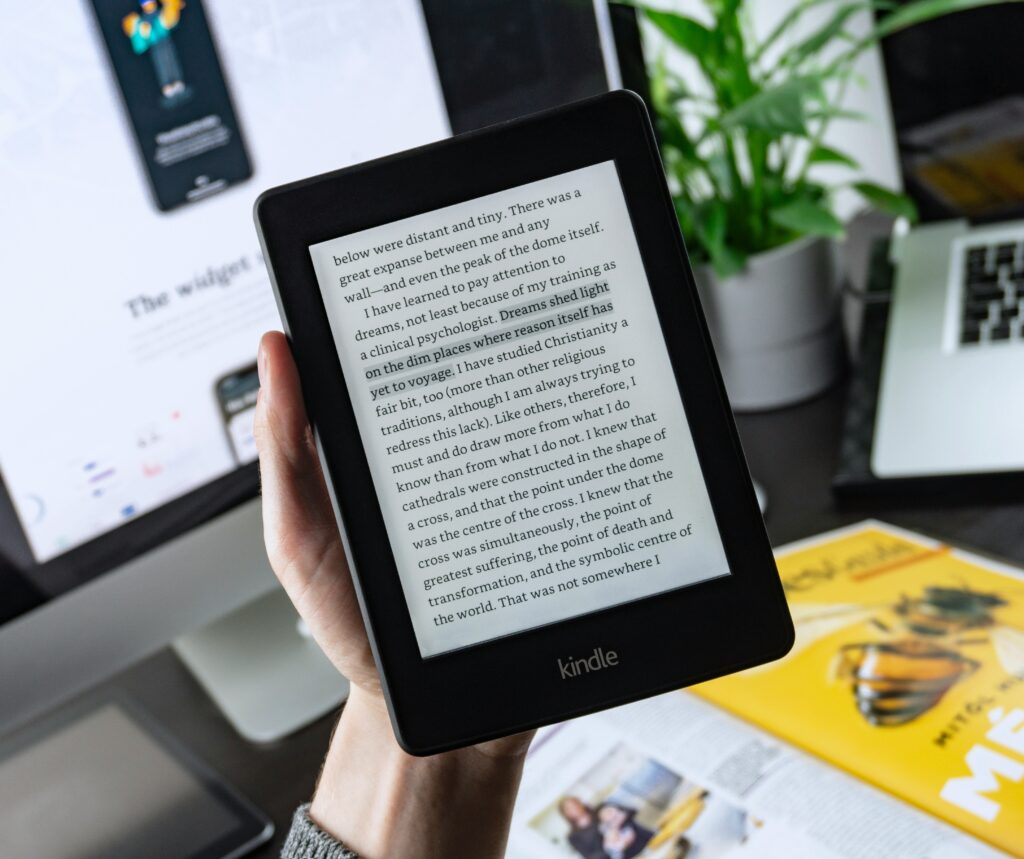
Take Amazon Kindle, for example — you’re not buying books; you’re paying for a license, which is more of a legal agreement than a true purchase. Though it rarely happens, if Amazon loses the right to distribute a book, it may disappear from your device — even if you paid for it. If that book had been physical, no one could come into your house and take it.
In one example, a Norwegian woman had her Kindle account deleted — along with all the books she’d “purchased” — without any warning or detailed explanation. Amazon cited a connection to a previously banned account and refused to restore access. This raises serious questions about intellectual property, consumer rights, and whether we truly own the goods we “buy.”
Everyday Examples of Subscription-Based Services
There are three main categories of subscriptions:
Products (beauty, food, etc.) – Some companies offer subscription-based food/meal options. Hello Fresh offers its subscribers a weekly meal subscription service. Subscribers the plan that works best for them and each week enjoy meaningfully crafted packages with ingredients and recipes for the meal prep.
Experiences (travel, sports, etc.) – The approach to subscription-based services in this blog post may have been a bit harsh, but doesn’t mean that all digital products and subscription services are bad. They offer great convenience. WiFi Tribe offers individuals the opportunity to join the community of remote workers who want to travel the world whilst working.
Digital (video, music, and cloud storage) – This is where the subscription economy thrives the most. We use platforms like Netflix, Spotify, or Xbox Game Pass to enjoy entertainment, Adobe Creative Cloud or Microsoft 365 for productivity, and services like Google Drive and iCloud for storage — all part of the cloud computing and SaaS ecosystem.

Why Consumers Accept Subscriptions
- Psychological appeal: Low upfront costs feel more manageable. Consumers love the idea of non-commitment as it provides the option of opting out whenever they desire without any penalty. Subscriptions offer convenience and comfort – consumers get the idea of spending much less money than when doing a one-time purchase and there’s ‘I changed my mind’ option.
- Convenience and continuous updates: Speaking of convenience, subscriptions offer a seamless, hassle-free experience. Streaming services for music, for example, offer newly released music without forcing you to make an additional purchase. The same goes for movies as well.
Is There a Way Back?
Alternatives do exist: open-source software, lifetime licenses, or buying physical media. It really depends on what you want to do and what is more convenient for you personally. Predatory practices are a part of subscription-based digital ownership and it’s up to us whether we want to comply or not.
Conclusion
As convenient as subscriptions are, they blur the lines between ownership vs. access and often leave consumers with less control. The idea of digital ownership is shifting — and not always for the better.
So next time you subscribe to a service, ask yourself: Am I buying a product or just temporary access to it?